|
|
| Nombre De La Marca: | Sylaith |
| Número De Modelo: | 200 series/300 series/400series |
| Cuota De Producción: | 1 tonelada |
| Precio: | Negociable |
| Tiempo De Entrega: | 7 a 15 días laborables, según la cantidad, la dimensión y los requisitos de procesamiento |
| Condiciones De Pago: | 30% T/T por adelantado 70% de saldo antes de cargar |
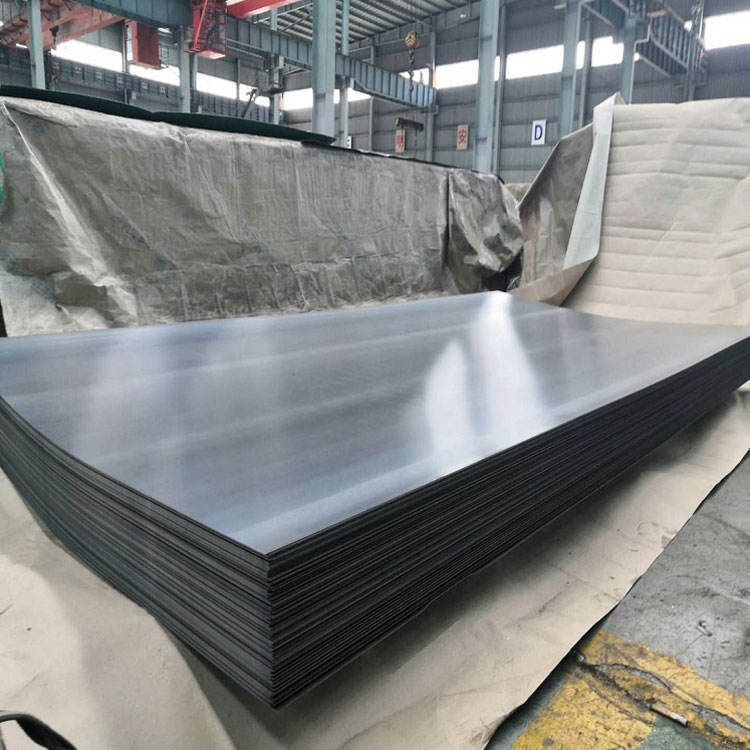
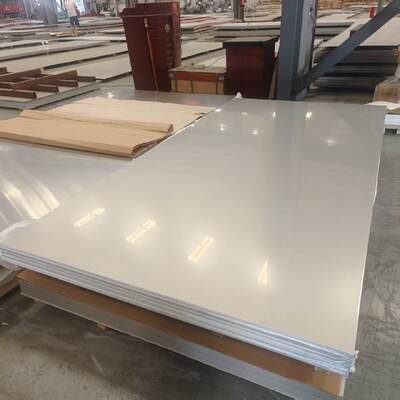
Our Stainless Steel Sheet is manufactured from premium 300 Series stainless steel, including 304, 304L, 316, 316L, 316Ti, 301, and related grades. Produced through cold rolling or hot rolling, the sheets are available with 2B surface finish as standard, while BA, No.1, No.4, 8K, SB, HL, and embossed finishes are also available upon request.
Designed for fabrication and industrial applications, these stainless steel sheets offer excellent formability, reliable weldability, and corrosion resistance suitable for kitchen equipment, construction, and chemical processing industries. Custom sizes, surface finishes, and machining services are available to meet different project requirements.
Conventional steel plates are susceptible to rust and surface degradation when exposed to humid environments, chemicals, or frequent cleaning. For industries such as food equipment, construction, and chemical processing, materials with improved corrosion resistance and fabrication performance are required to ensure long-term service and easier maintenance.
Stainless steel sheets manufactured from 300 Series stainless steel provide an effective solution for applications requiring both durability and processability.
Key features include:
| Product | Stainless Steel Sheet |
| Product Type | Plate |
| Material Series | 300 Series |
| Available Grades | 301, 301L, 304, 304L, 316, 316L, 316Ti, 410, 430, 304J1, etc. |
| Standard | AISI |
| Manufacturing Process | Cold Rolled / Hot Rolled |
| Surface Finish | 2B, BA, No.1, No.4, 8K, SB, HL, Embossed |
| Thickness | 0.2 mm, 0.3 mm, or Custom Size |
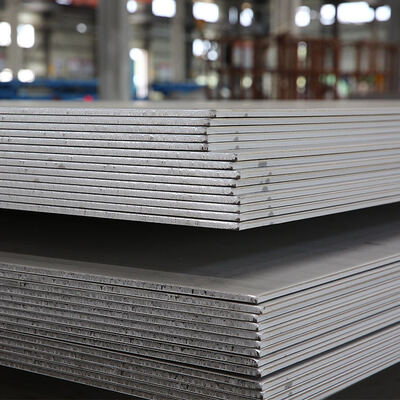
| Tolerance | ±1% |
| Edge | Mill Edge / Slit Edge |
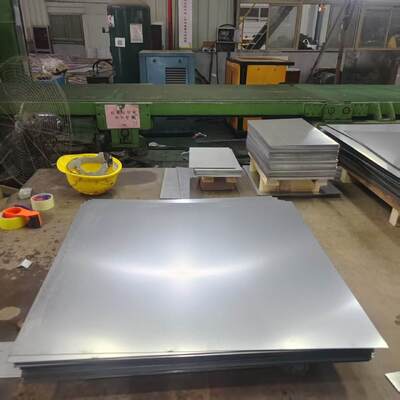
| Processing Service | Cutting, Bending, Welding, Punching, Decoiling |
| Shape | Square or Customized Shape |
Stainless steel sheets contain chromium that reacts with oxygen in the air to form a thin passive oxide layer on the surface. This protective film helps reduce corrosion during normal service conditions and regenerates naturally if the surface is lightly damaged.
Different grades provide different performance characteristics:
When selecting a stainless steel sheet, consider the following:
Q1: What is the difference between 304 and 316 stainless steel sheets?
316 stainless steel contains molybdenum, providing improved corrosion resistance in chloride-containing and chemical environments compared with 304.
Q2: What is the advantage of 304L and 316L?
The "L" grades have lower carbon content, which helps reduce carbide precipitation during welding and improves corrosion resistance in welded areas.
Q3: Is the 2B finish suitable for fabrication?
Yes. The 2B finish is commonly used for industrial fabrication because it provides a smooth surface suitable for cutting, welding, bending, and further processing.
Q4: Can the sheet size be customized?
Yes. Thickness, width, length, surface finish, and edge type can all be customized according to customer requirements.
Q5: Which industries commonly use stainless steel sheets?
Stainless steel sheets are widely used in kitchen equipment, food processing, construction, chemical processing, architectural decoration, industrial manufacturing, and machinery fabrication.
|
| Nombre De La Marca: | Sylaith |
| Número De Modelo: | 200 series/300 series/400series |
| Cuota De Producción: | 1 tonelada |
| Precio: | Negociable |
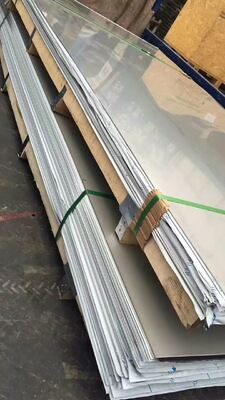
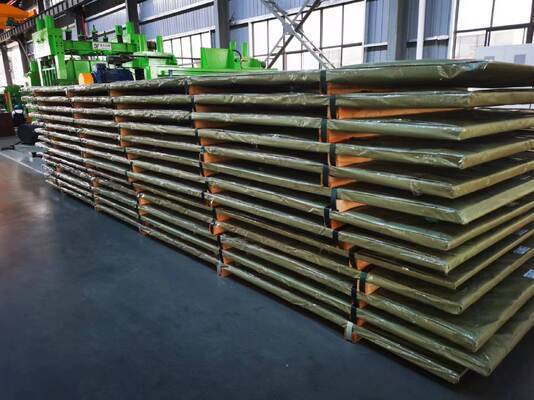
| Detalles Del Embalaje: | Paquete estándar en condiciones de navegar o según lo requiera el cliente. |
| Condiciones De Pago: | 30% T/T por adelantado 70% de saldo antes de cargar |
Our Stainless Steel Sheet is manufactured from premium 300 Series stainless steel, including 304, 304L, 316, 316L, 316Ti, 301, and related grades. Produced through cold rolling or hot rolling, the sheets are available with 2B surface finish as standard, while BA, No.1, No.4, 8K, SB, HL, and embossed finishes are also available upon request.
Designed for fabrication and industrial applications, these stainless steel sheets offer excellent formability, reliable weldability, and corrosion resistance suitable for kitchen equipment, construction, and chemical processing industries. Custom sizes, surface finishes, and machining services are available to meet different project requirements.
Conventional steel plates are susceptible to rust and surface degradation when exposed to humid environments, chemicals, or frequent cleaning. For industries such as food equipment, construction, and chemical processing, materials with improved corrosion resistance and fabrication performance are required to ensure long-term service and easier maintenance.
Stainless steel sheets manufactured from 300 Series stainless steel provide an effective solution for applications requiring both durability and processability.
Key features include:
| Product | Stainless Steel Sheet |
| Product Type | Plate |
| Material Series | 300 Series |
| Available Grades | 301, 301L, 304, 304L, 316, 316L, 316Ti, 410, 430, 304J1, etc. |
| Standard | AISI |
| Manufacturing Process | Cold Rolled / Hot Rolled |
| Surface Finish | 2B, BA, No.1, No.4, 8K, SB, HL, Embossed |
| Thickness | 0.2 mm, 0.3 mm, or Custom Size |
| Tolerance | ±1% |
| Edge | Mill Edge / Slit Edge |
| Processing Service | Cutting, Bending, Welding, Punching, Decoiling |
| Shape | Square or Customized Shape |
Stainless steel sheets contain chromium that reacts with oxygen in the air to form a thin passive oxide layer on the surface. This protective film helps reduce corrosion during normal service conditions and regenerates naturally if the surface is lightly damaged.
Different grades provide different performance characteristics:
When selecting a stainless steel sheet, consider the following:
Q1: What is the difference between 304 and 316 stainless steel sheets?
316 stainless steel contains molybdenum, providing improved corrosion resistance in chloride-containing and chemical environments compared with 304.
Q2: What is the advantage of 304L and 316L?
The "L" grades have lower carbon content, which helps reduce carbide precipitation during welding and improves corrosion resistance in welded areas.
Q3: Is the 2B finish suitable for fabrication?
Yes. The 2B finish is commonly used for industrial fabrication because it provides a smooth surface suitable for cutting, welding, bending, and further processing.
Q4: Can the sheet size be customized?
Yes. Thickness, width, length, surface finish, and edge type can all be customized according to customer requirements.
Q5: Which industries commonly use stainless steel sheets?
Stainless steel sheets are widely used in kitchen equipment, food processing, construction, chemical processing, architectural decoration, industrial manufacturing, and machinery fabrication.